The corporate training landscape in India is undergoing a radical transformation. With 59% of Indian organizations actively deploying artificial intelligence in their training programs, personalized learning has shifted from aspirational to essential. If your company is still relying on one-size-fits-all training modules, you’re leaving significant ROI on the table.
India’s digital education market is projected to grow 150% by 2026, reaching USD 10 billion. Within this ecosystem, AI-powered personalized learning stands as the most impactful innovation—delivering the right content to the right learner at the right time, resulting in 35% faster skill acquisition and 25% higher completion rates compared to traditional methods.
But what exactly is AI-powered personalized learning, and why is it transforming how Indian corporations develop their workforce?
What is AI-Powered Personalized Learning?
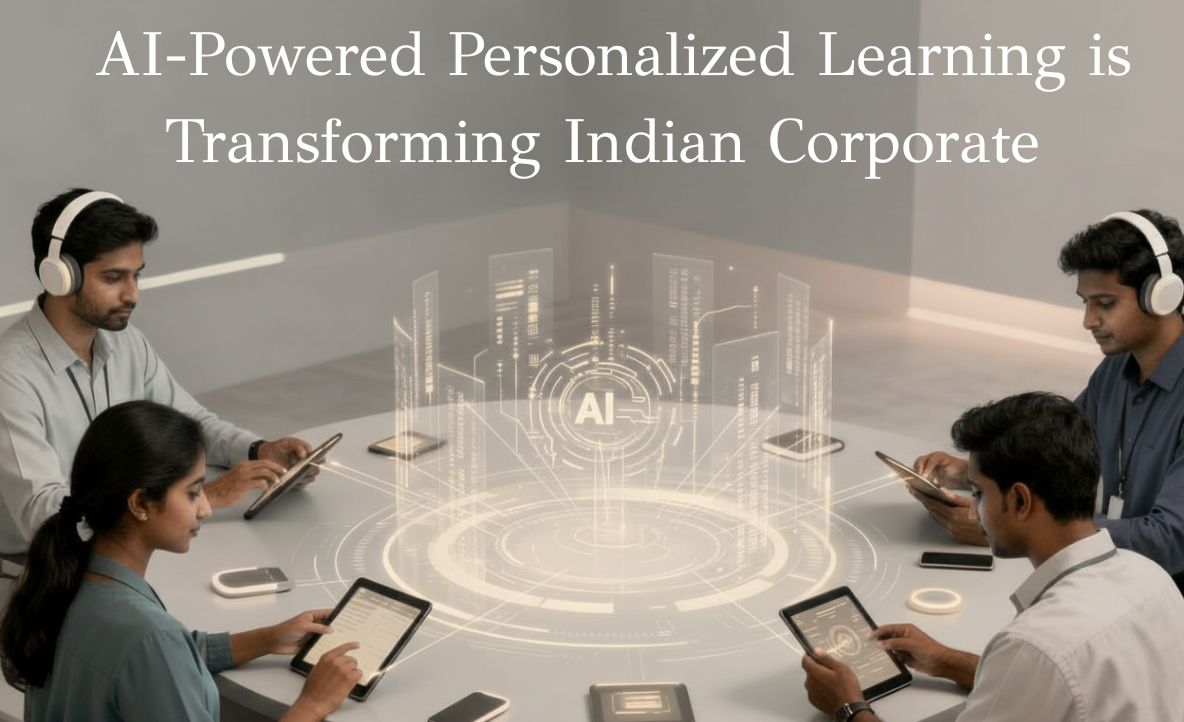
AI-powered personalized learning leverages machine learning algorithms and behavioral data analytics to customize educational experiences based on individual learner profiles, learning styles, pace, and performance metrics. Unlike traditional e-learning platforms that deliver uniform content to all learners, AI systems continuously adapt, offering:
- Individualized learning paths tailored to each employee’s skill level and career goals
- Intelligent content recommendations based on performance data and knowledge gaps
- Predictive analytics to identify at-risk learners before they disengage
- Real-time feedback mechanisms that guide learners toward mastery
- Automated assessment adjustments that challenge advanced learners while supporting struggling ones
For Indian organizations operating across diverse regions with varied skill levels, this adaptability is transformative.
Why Indian Companies Are Prioritizing Personalized Learning
1. Bridging India’s Skills Gap
India faces a critical employability challenge: 42.6% of fresh graduates lack job-ready skills. Organizations invest heavily in training to bridge this gap, but generic content rarely addresses specific skill deficiencies. AI-powered systems identify exactly where employees struggle and deliver targeted interventions, reducing training time by 30-40% while improving learning outcomes.
2. Maximizing ROI on Training Investments
Indian companies spend an average of ₹15,000-₹25,000 per employee annually on training. Traditional approaches often result in 60% of content being irrelevant to individual learners. Personalized learning systems ensure every rupee spent directly impacts skill development, with measurable improvements in employee performance and retention.
3. Supporting Remote and Hybrid Workforce Models
Post-pandemic, 78% of Indian organizations operate hybrid models. Centralized, one-way training doesn’t work when employees work across different locations with varying connectivity and time zones. AI systems provide flexible, self-paced content that adapts to individual schedules and learning preferences while maintaining quality and consistency.
4. Reducing Training Time and Accelerating Productivity
Personalized learning compresses training timelines from 8-12 weeks to 3-5 weeks. For companies training thousands of employees annually, this efficiency translates to faster productivity gains and reduced time-to-competency.
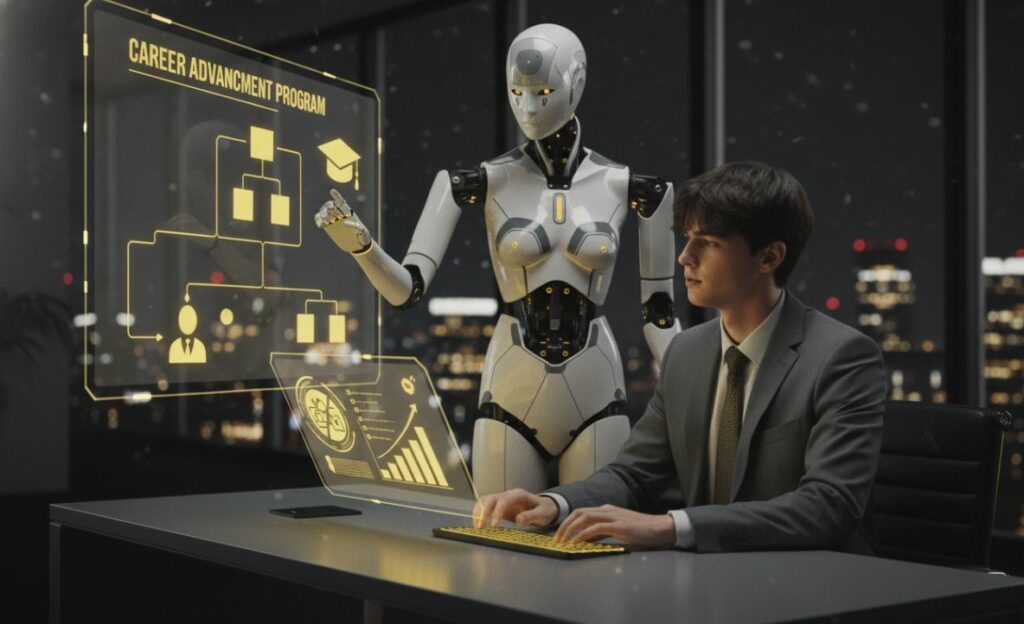
Key Benefits: What Personalized Learning Delivers
Enhanced Learning Outcomes: Research shows personalized learning improves assessment scores by 24% compared to traditional methods. Employees retain knowledge longer and apply skills more effectively in real-world contexts.
Increased Employee Engagement: When learners encounter content perfectly calibrated to their knowledge level, engagement surges. Personalized systems report 60% higher completion rates because employees feel the training is directly relevant to their roles.
Data-Driven Decision Making: AI systems generate rich analytics showing which content drives skill development, where employees struggle, and which instructional approaches yield the best results. L&D leaders gain unprecedented visibility into training effectiveness.
Scalability Without Compromising Quality: Personalized learning platforms simultaneously serve hundreds or thousands of employees without diluting content quality or losing customization benefits—critical for expanding Indian enterprises.
Lower Training Costs: By eliminating irrelevant content, reducing training duration, and decreasing dropout rates, personalized learning reduces per-employee training costs by 20-35%.
Implementation Considerations for Indian Organizations
Sector-Specific Applications
IT & Software Companies: AI personalization helps manage rapid skill obsolescence. As technologies evolve, personalized systems automatically update learning paths for thousands of developers simultaneously, ensuring everyone develops relevant competencies.
BFSI Sector: Compliance training becomes engaging and comprehensible rather than rote memorization. Personalized systems adapt regulatory content complexity based on employee role and experience, ensuring genuine understanding rather than checkbox completion.
Manufacturing & Operations: For frontline workers with varying literacy levels, personalized systems adjust content complexity, provide visual demonstrations, and adapt language complexity—ensuring accessibility across diverse workforce demographics.
Healthcare & Pharmaceuticals: Critical skills like pharmaceutical protocols and safety procedures require precision. Personalized learning ensures every employee masters essential knowledge regardless of their starting point.
Addressing Implementation Challenges
Data Privacy Concerns: India’s Digital Personal Data Protection Act 2023 requires careful handling of learner data. Ensure your personalized learning platform complies with DPDP requirements and includes robust data governance protocols.
Integration with Existing Systems: Most organizations have legacy HRMS systems. Choose AI platforms offering SCORM compatibility and seamless integration with existing LMS infrastructure to avoid costly reimplementation.
Change Management: Employees accustomed to traditional training may initially resist self-directed, algorithm-driven learning paths. Successful implementation requires clear communication about benefits and dedicated change management support.
Measurement and ROI Tracking: Define clear metrics before implementation—knowledge retention rates, time-to-competency, employee engagement scores, performance improvement percentages—to demonstrate tangible business value.
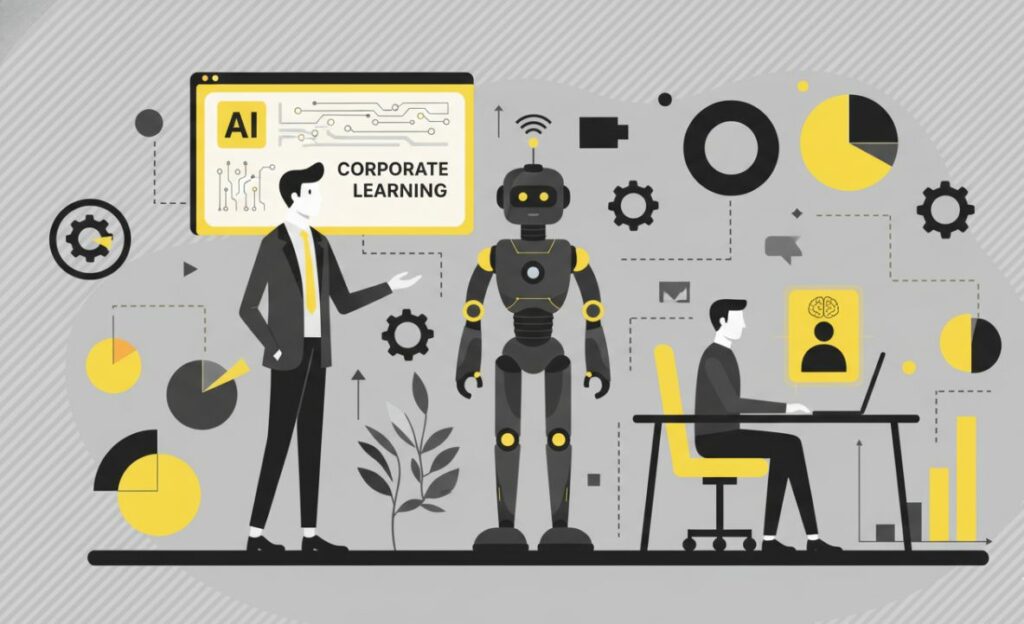
The Future: What’s Next for Personalized Learning in India?
Advanced features entering mainstream adoption include predictive analytics identifying high-potential employees needing accelerated development, generative AI creating micro-content tailored to individual learning preferences, and immersive technologies (VR/AR) offering personalized simulations for practical skill development.
Organizations implementing personalized learning today position themselves as employer-of-choice, able to attract top talent through sophisticated development opportunities while maximizing returns on training investments.
Conclusion: Personalization Isn’t Optional Anymore
In India’s competitive corporate landscape, personalized learning has moved beyond innovation to necessity. Organizations delivering precisely calibrated learning experiences see measurable improvements in employee performance, engagement, retention, and ultimately, business outcomes.
The question isn’t whether to implement personalized learning—it’s how quickly you can do so. With India’s training market accelerating and talent competition intensifying, companies that master personalized learning will outpace competitors in employee capability and organizational agility.
Ready to transform your corporate training with AI-powered personalization? Garage Productions specializes in designing adaptive e-learning solutions that deliver personalized learning experiences at scale. Let’s discuss how personalized learning can amplify your organization’s training effectiveness and employee success.